Introduction to Deep Learning Research
CSCI-UA 480 075 · FALL 2025 · NYU COURANT INSTITUTE OF MATHEMATICAL SCIENCES
| INSTRUCTOR | Alfredo Canziani |
| LECTURES | Tue/Thu 12:00 – 13:45 |
| CODE | 2025 repo |
| BLACKBOARDS | Google Drive |
| READINGS | Google Drive |
| SLIDES | Google Drive |
This second offering of my new course is meant to be an introduction to Deep Learning research for undergraduate (or advanced high school) students.
The aim of this course is to get the students fluent in reasoning, using:
- maths (linear algebra, calculus, logic),
- diagrams and schematics (abstract graphical language),
- graphs (function plotting and asymptotic behaviour),
- physics (reducing systems to their base parts to identify emerging collective behaviours), and
- coding (empirical verification of proposed hypothesis).
To test the students’ knowledge, the course uses 6 quizzes throughout the semester, 4 homework assignments, 2 projects, and a final oral exam, where students are examined on final project significance and originality, project presentation and defence, course content knowledge, and communication effectiveness.
Selected final projects and code written in class can be found in the GitHub repo; slides, blackboards, and suggested readings can be found on Google Drive. All links are provided at the top of this web page.
Lectures
Legend: 🖥 slides, 📝 notes, 📓 Jupyter notebook, 🎥 YouTube video.
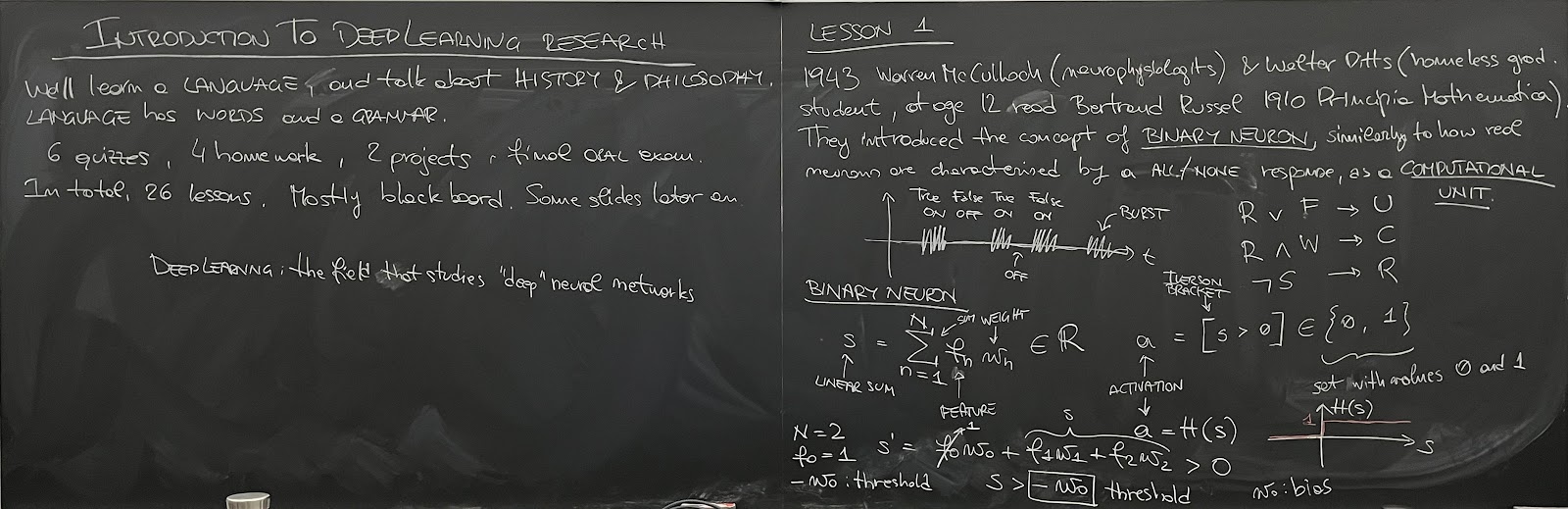
Lesson 01 🎥
Suggested readings
- Whitehead & Russell (1910) Principia mathematica
- McCulloch & Pitts (1943) A logical calculus of the ideas immanent in nervous activity
- Iverson bracket
Suggested videos
- Choi (2011) Sound of neurons
- Mahdid (2025) Exploring “Logical Calculus of Nervous Activity” by McCulloch & Pitts
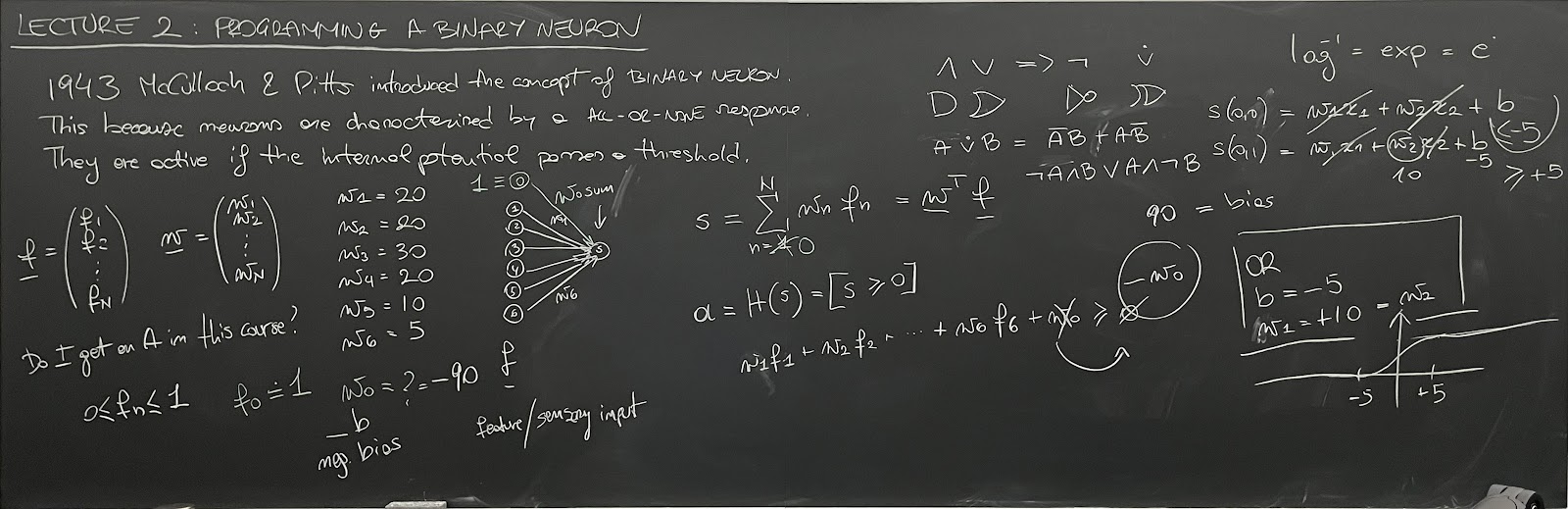
Lesson 02 🎥
Suggested readings
- Summerfield (2025) These strange new minds
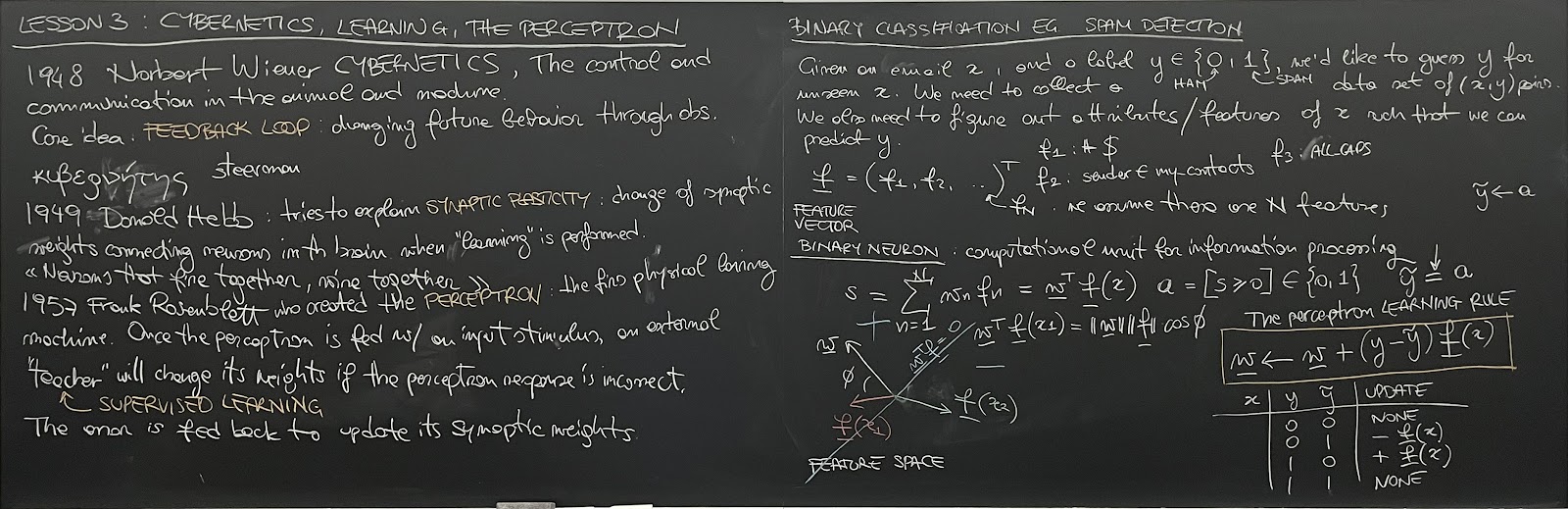
Lesson 03 🎥
Suggested readings
- Wiener (1948) Cybernetics
- Whitehead & Russell (1910) Principia mathematica
- Gertner (2012) The idea factory
- Mauchly & Eckert (1945) ENIAC
- Computer terminal
- Intel (1974) Intel 8080
- Monty Python (1969) Monty Python’s Flying Circus
- Monty Python (1970) Spam (Monty Python sketch)
- van Rossum (1991) Python
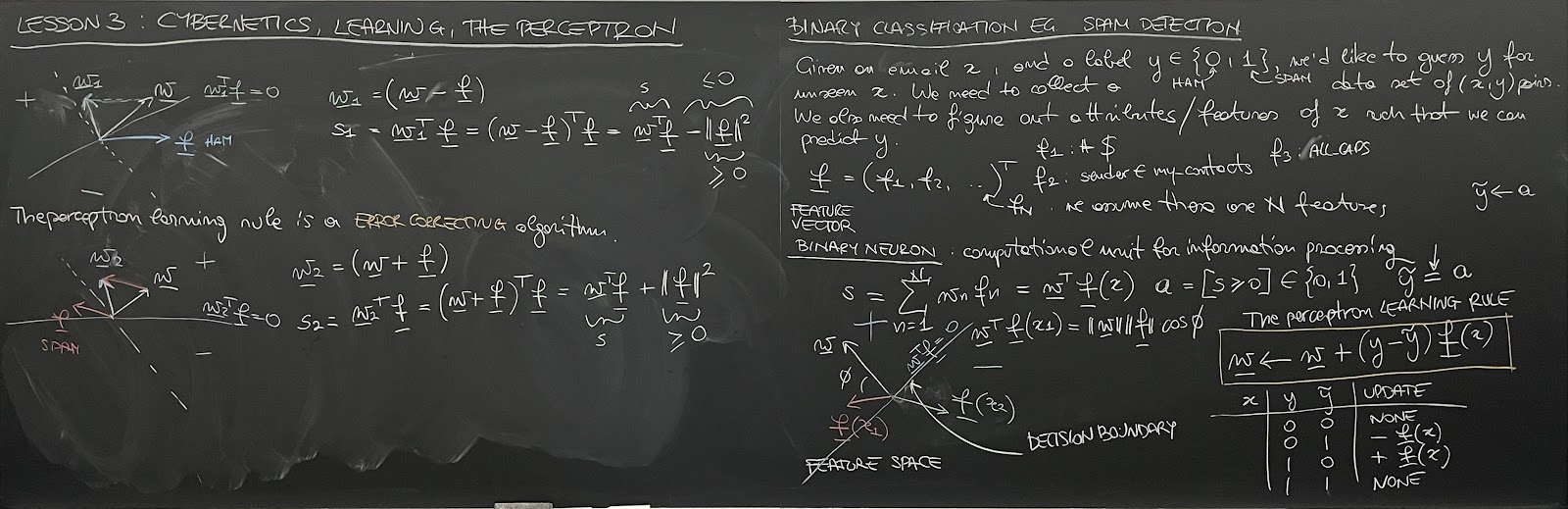
Lesson 04 🎥
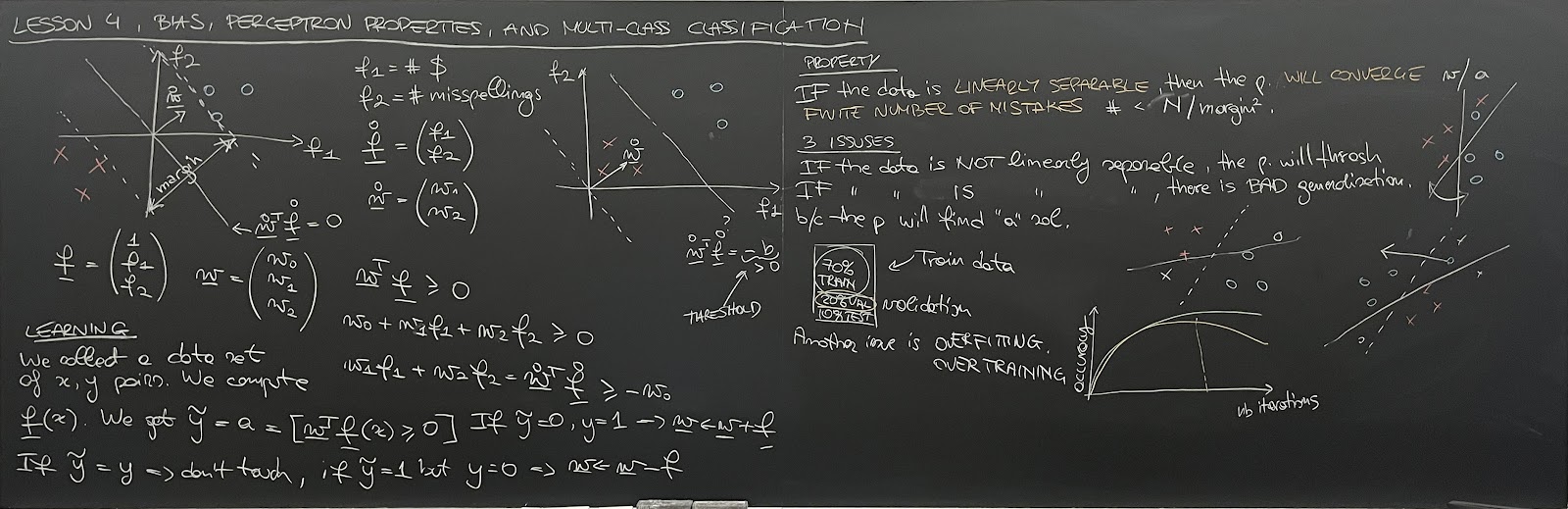
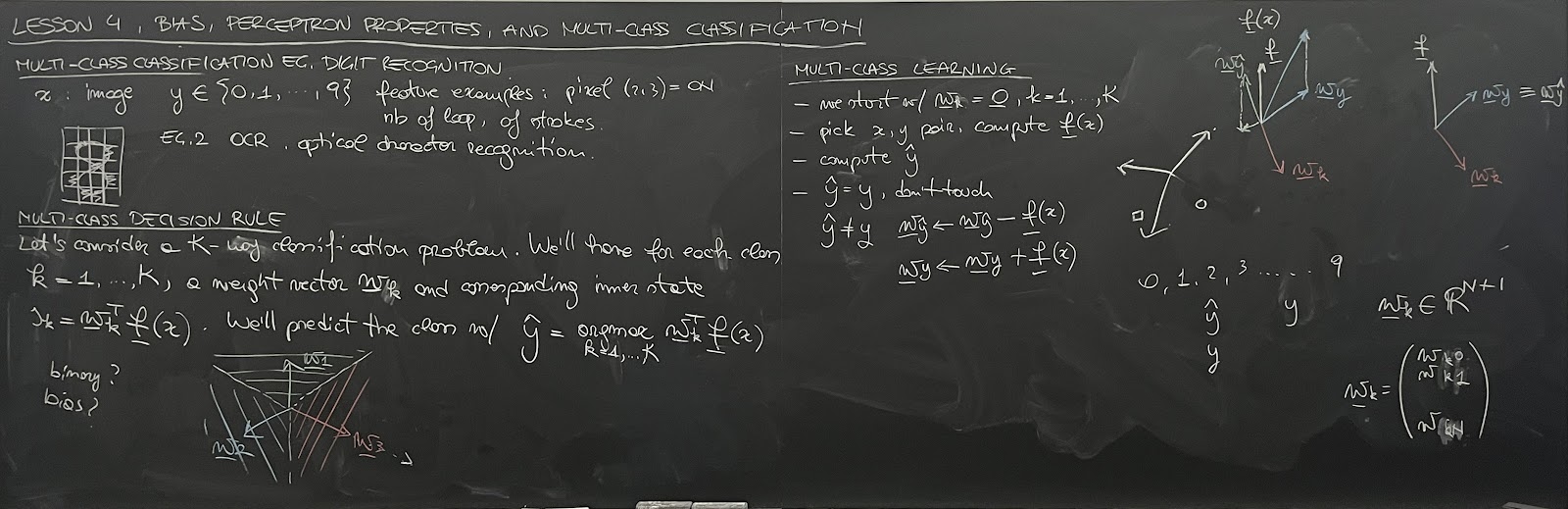
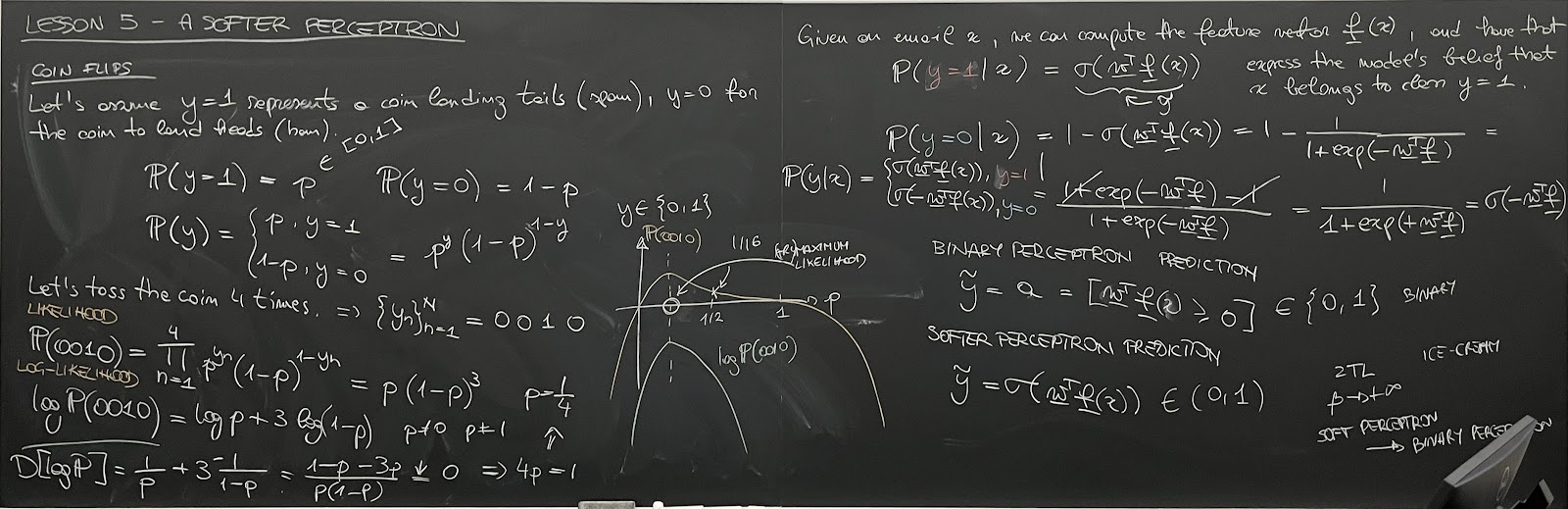
Lesson 05 🎥
Suggested readings
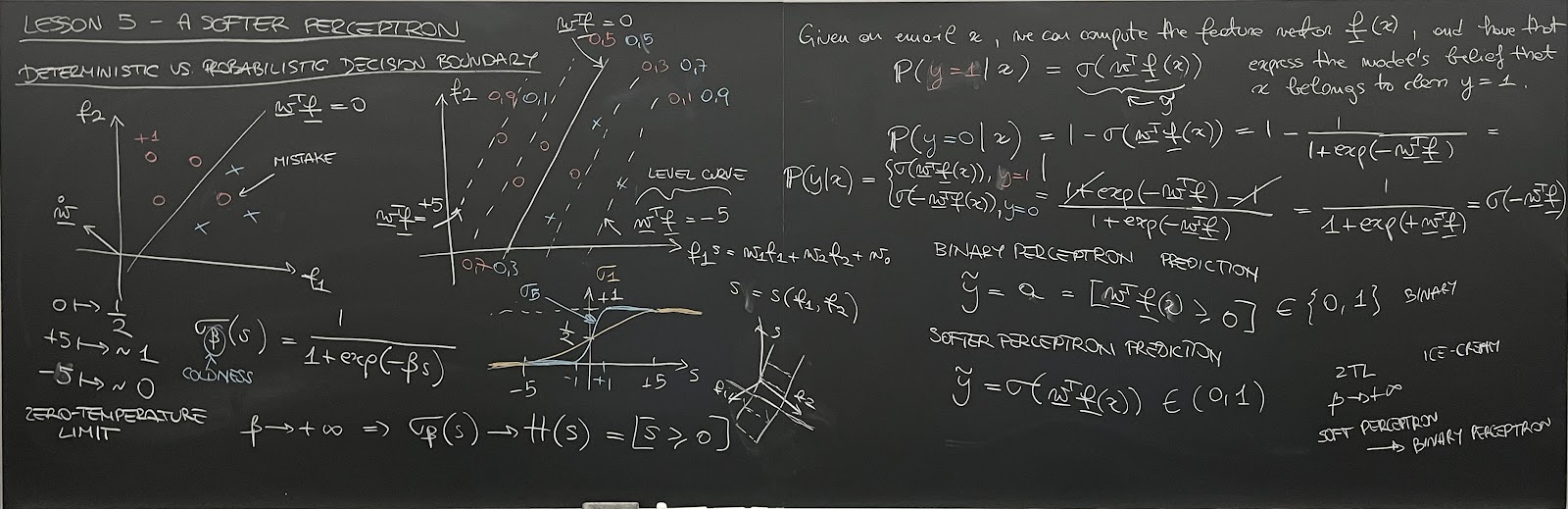
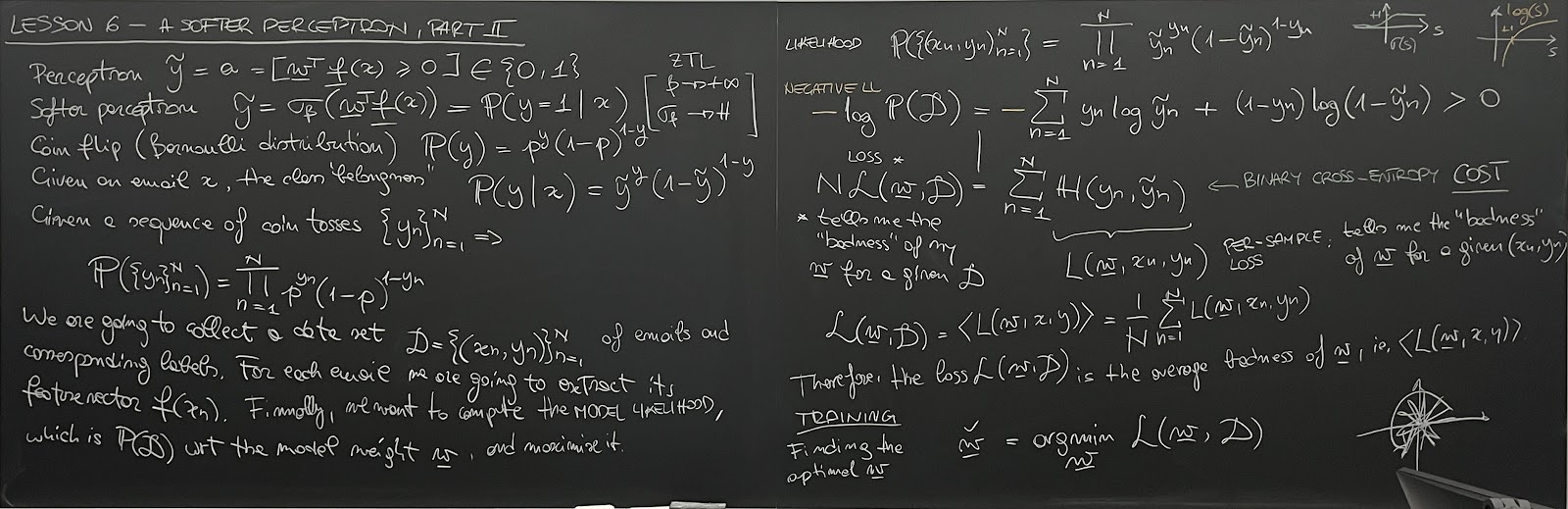
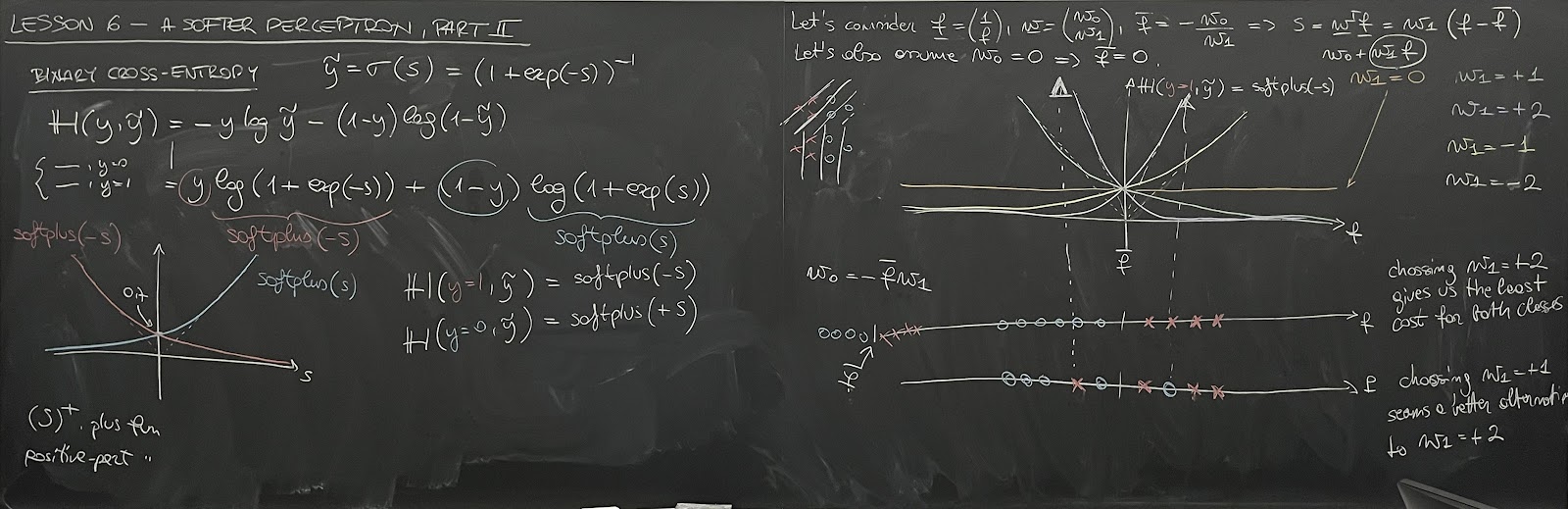
Lesson 06 🎥
Suggested readings
- Watt, Borhani & Katsaggelos (2020) Machine learning refined (2nd ed), § 6.2 Logistic regression and the cross-entropy cost
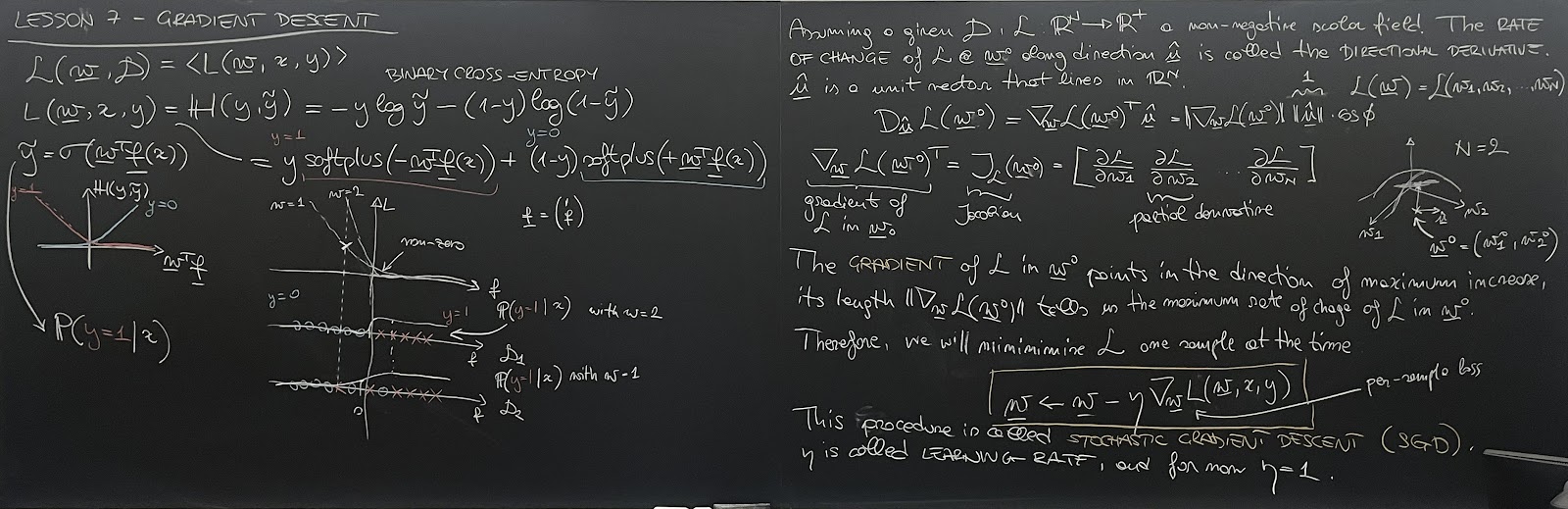
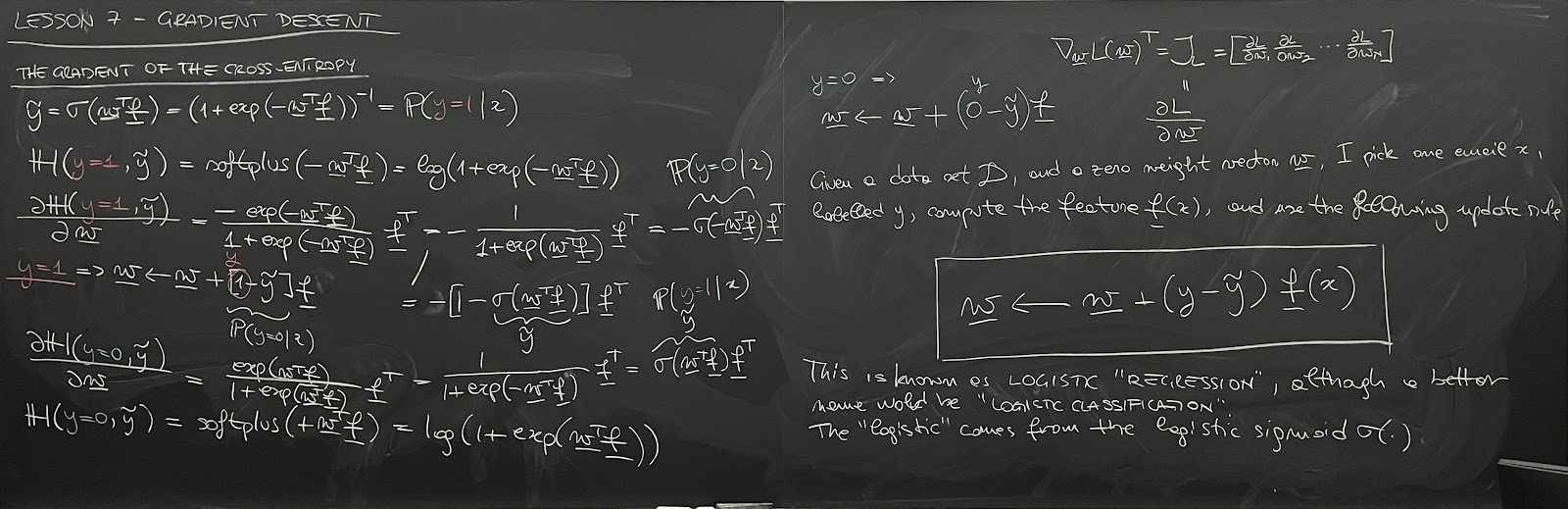
Lesson 07 🎥
Suggested readings
- Gradient descent (animation)
- Stewart (2020) Calculus: early transcendentals (9th ed), § 14.1 & § 14.6
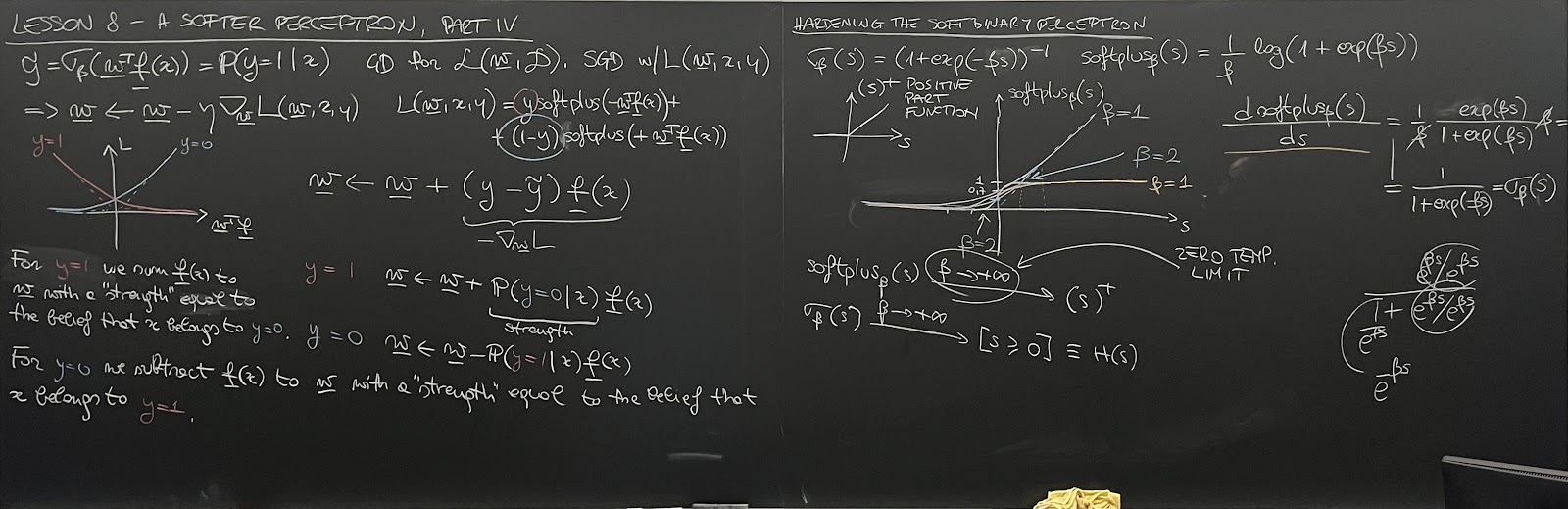
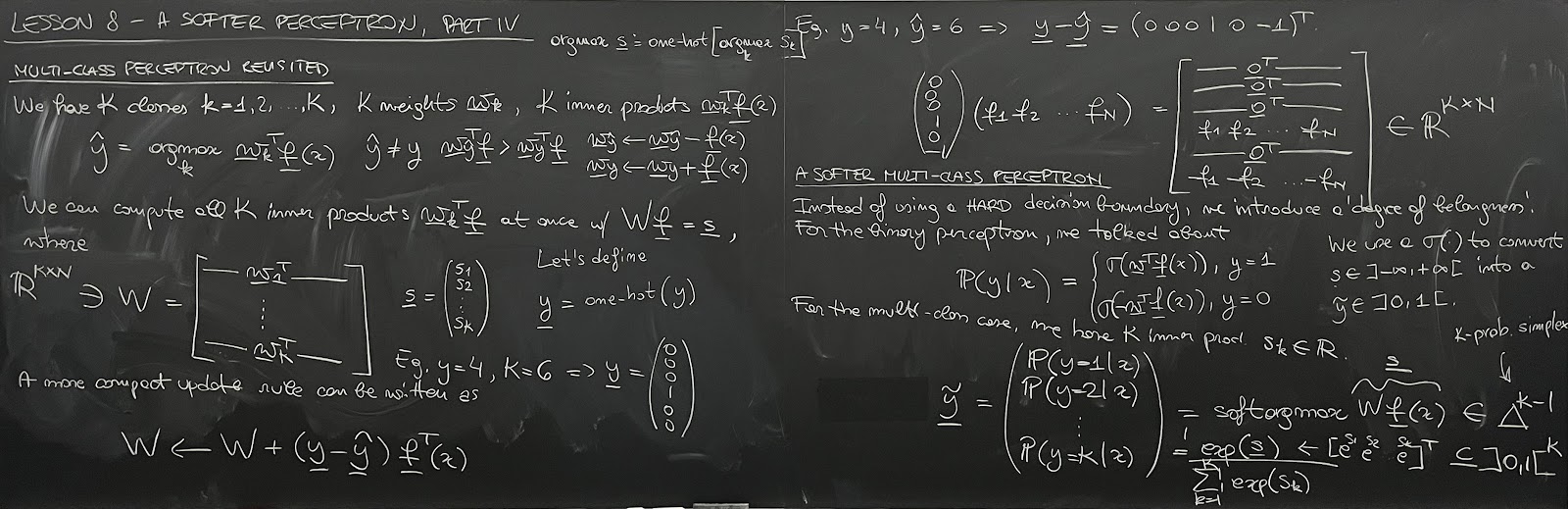
Lesson 08 🎥
Suggested readings
- Formal language (introduction only)
- Interpretation (logic) (definition only)
- Positive and negative parts
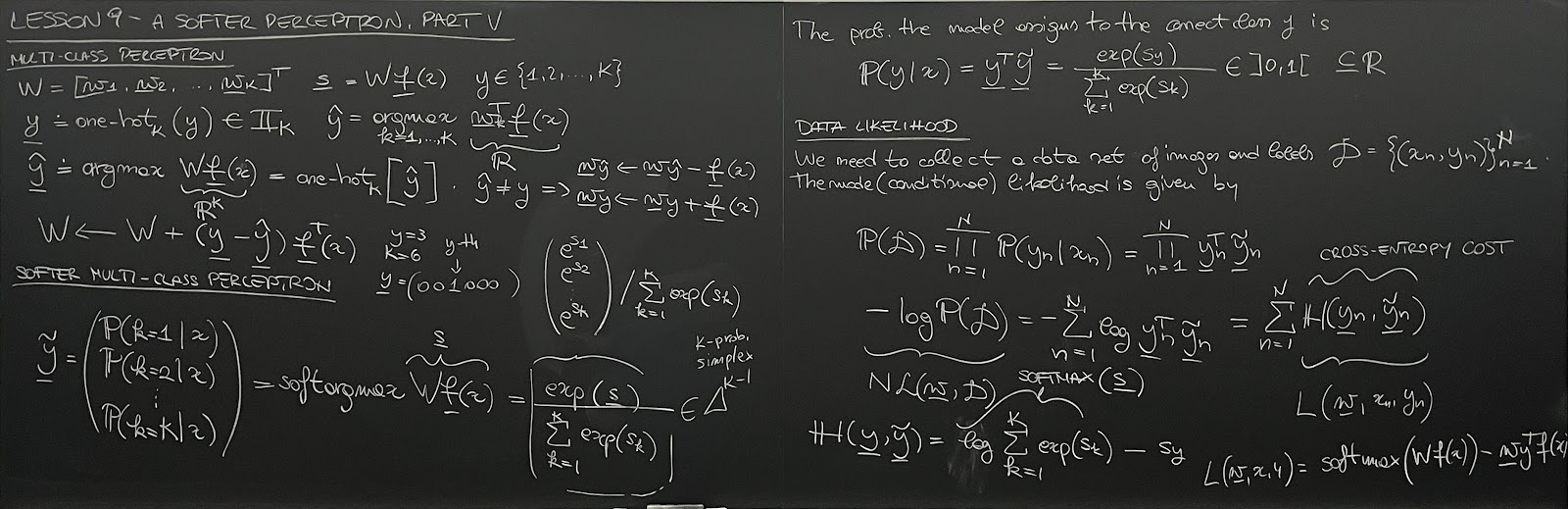
Lesson 09 🎥
Suggested readings